Blog
Are Your Gloves Protecting or Harming Your Skin?

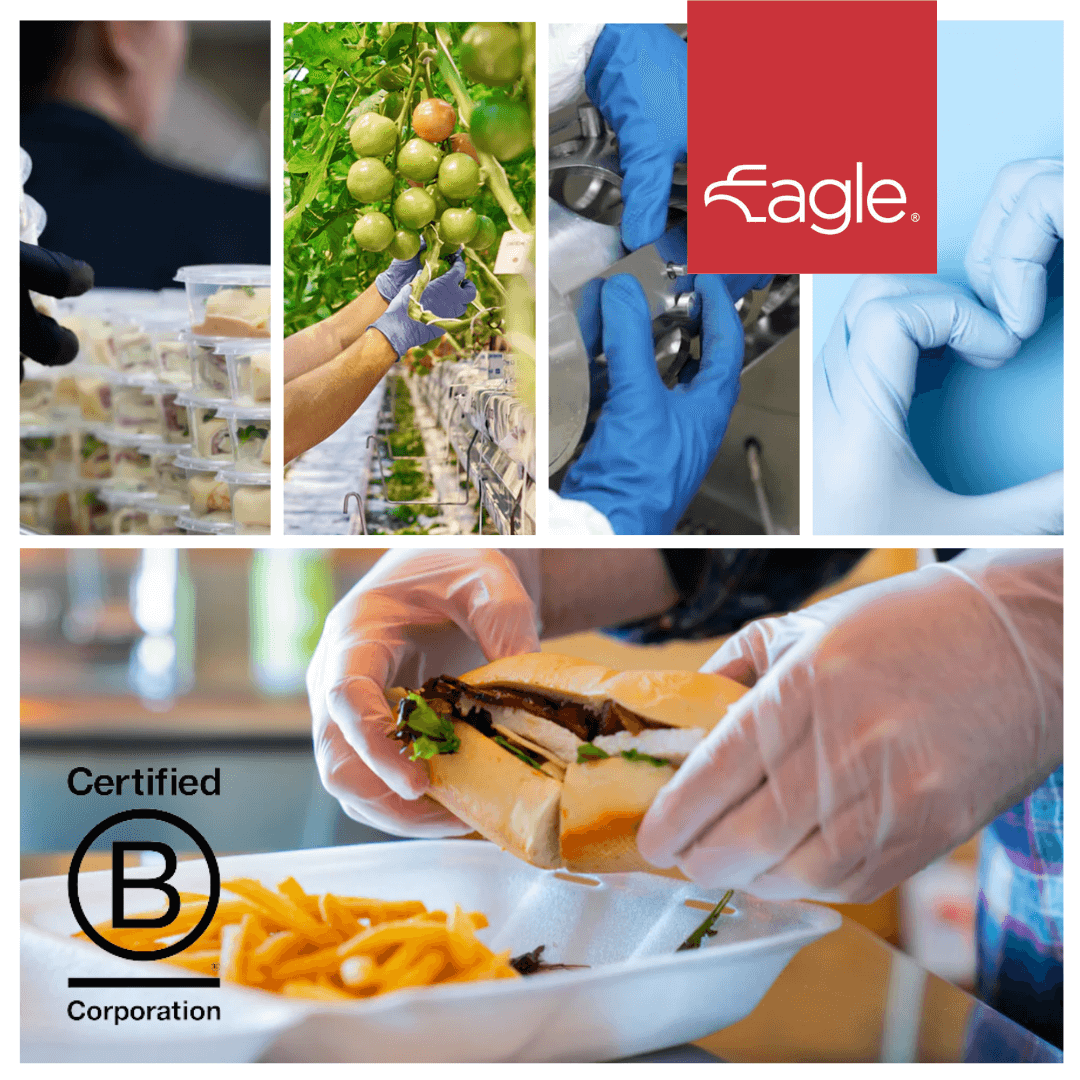
Regarding safety, we often forget the potential dangers hidden in the gloves designed to protect us. The COVID-19 pandemic led to an increase in disposable glove usage, but this trend also brought an increase in skin problems among users. These issues are often linked to low-quality gloves filled with toxic chemicals.
The Hidden Dangers of Cheap Gloves
- Quality Matters: Cheap gloves are usually made from inferior materials.
- Harmful Substances: Many contain dangerous chemicals, like:
o Phthalates
o BPA (bisphenol A)
o Heavy metals
- Skin Contact: Harmful substances can seep into the skin, especially if gloves are worn for a long time.
- Food Contamination: Chemicals like phthalates can also seep into food
- Price vs. Safety: Going for the lowest price can lead to higher risks for skin safety—similar to food, you get what you pay for.
Finding Skin-Safe Gloves
- Increased Reactions: More people are reporting skin reactions due to hidden chemicals in gloves, like accelerators and phthalates.
- Choose Wisely: Select gloves from trusted companies that prioritize high standards.
Sound Options: Brands like Eagle Protect offer gloves that have been tested for safety, including their line for sensitive skin, Eagle® LOW-DERMA™.
The Importance of Color-Coding Gloves
- Hygiene and Safety: Color coding gloves can improve safety in food handling by minimizing the risk of cross-contamination and cross-contact.
- Task Management: Different colors can be assigned to different tasks or food types – making operations more manageable.
- Health Compliance: Eagle Protect provides a variety of colors to help companies meet health standards.
Proper Glove Selection for Sanitation
- Durability Is Key: Make sure gloves are durable when handling chemicals to prevent rips or tears.
- Testing: Conduct thorough trials on gloves before purchasing to be sure they suit the job for which they are being used.
Breaking the One-Size-Fits-All Myth
- Fit Matters: Ill-fitting gloves can compromise comfort and safety.
- Contamination Risks: Gloves that are too loose or tight can lead to mistakes, making them less effective.
- Food Safety: Proper fit is essential to maintain food safety standards.
The Human Cost of Cheap Gloves
- Ethical Issues: Cheap gloves can come with hidden costs, such as labor rights violations in glove manufacturing.
- Vigilance Required: Businesses should make sure their glove suppliers comply with fair labor standards to maintain food safety and brand integrity.
Environmental Considerations
- Sustainability Matters: Different glove materials have various environmental impacts.
- Reduce Usage, Reduce Waste: Reduce glove usage and waste by buying quality gloves made thinner yet stronger from better materials.
- Misconceptions: Be aware of the myths surrounding biodegradable gloves and their impact. The ASTM D5526 standard has been balloted for withdrawal with no replacement because there is no correlation between this test and actual landfill biodegradability. Source
When selecting gloves, using price as the determining factor is not the best idea. Consider factors that impact safety such as skin health, proper fit, ethical sourcing, and environmental effects. By choosing high-quality gloves from reputable manufacturers like Eagle Protect, you can ensure the safety and health of both staff and customers. Get glove best practice guidelines, or complete the Glove Audit to solve your current glove-related issues and improve your food safety practices.
Click link below:
White Paper landing page and download
Helpful Links:
Delta Zero Verified Gloves: more information
Glove Best Practice Guidelines to prevent direct and cross-contamination. Glove selection, colors, where to dispense, how to use effectively etc.
Glove Audit: solving your glove-related issues and improving your food safety practices, get personalized feedback on how to mitigate these risks.